An early 1900s Cagney and Lacey
Turns out my son-in-law is connected through his G-G-Grandmother, a Cagney and Lacey character in her time, to the longest serving mayor of Jersey City, a machine politics guy who was a character on Boardwalk Empire.
One of the things I've realized about 85% "retirement" is that there are many unfilled and unscheduled hours of the day. Strangely, there also never seems to be time for anything. This paradox puzzles me.
You quickly realize there is a limit to how much agitation over the state of the country you can stand. Mary Glenn and I resolved not to become agitated watching MSNBC at night – the Washington Nationals are there for that purpose -- but rather to record Rachel (Mondays), Lawrence, and Steph, and then engage in a session of what we call “outrage porn” the next morning while we have coffee. Of course, this is after completing Wordle, Spelling Bee (which I insist on calling “Panagram," despite constant corrections from my spouse), and Connections. And then there's maintaining our Duolingo streaks. My German streak is currently at 655 days. I have become convinced that the length of my Duolingo streak is inversely proportional to my ability to speak German, but I persist, nonetheless.
However, all of this only takes us up to about 11 a.m., leaving a significant portion of the day remaining.
As readers of Immigrant Secrets know, I spend a fair amount of time fiddling around with genealogy. This is a perfect time paradox hobby, because even a modest family history inquiry from a friend or relative can set me off on a treasure hunt that quickly expands into an epic time suck. It solves the 1) lots of free time; and 2) no time for anything quandary, and I can easily dive down a genealogy rat hole for hours.
My son-in-law, Spencer, recently sent me on a quest to learn more about his great-great-grandparents, Owen Curley and Margaret Crean.
I thought that rather than doing what I usually do —spending hours without documenting anything —I would try to write down what I found on this blog, in the hopes that someone, someday, might do something with it.
It turns out that Spencer's great-great-grandparents are interesting characters.
Owen's parents, Hugh and Mary, were immigrants from Ireland (his parents were married there in 1862), and his brother Michael was born there before immigrating to the US in 1866. Margaret's parents, Jeremiah and Margaret, were also immigrants from Ireland in 1873, following their marriage in 1872. Both Hugh and Jeremiah are listed as "laborers" in the Census.
Owen and Margaret were both born in Jersey City, New Jersey (Owen, sometime in October 1871, and Margaret, April 26, 1876). Margaret was baptized 10 days later at St. Peter's Catholic Church. Margaret grew up with four siblings -- Martha (b. 1875), Annie (1878), Walter (1881), and Nora (1895) – as did Owen – Michael (1865), James (1870), Patrick (1873), and John (1877).
Christmas Day in 1889 was memorable for Owen.
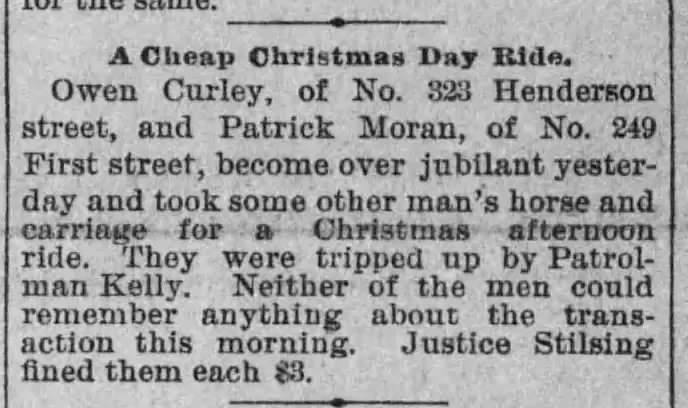
Owen is listed in the 1900 Census as a "steamship clerk," although he may have also had a boxing career. There are numerous press accounts of an "Owen Curley," but without additional information that might tag him as "our" Owen Curley. He died on August 15, 1903, but there are no records to indicate the cause of death.
Here is where the story takes an interesting turn. One can only imagine the worries that faced Margaret – a 27-year-old widow, with no job, and two little children, Hugh (4) and John (3).
Enter Frank Hague, deputy sheriff at the time and someone well-connected at City Hall. In 1903, she was hired as either a cleaner or a clerk in City Hall by Frank Hague. By the time of the 1910 Census, Margaret and her children had achieved a degree of stability and were living with her mother.
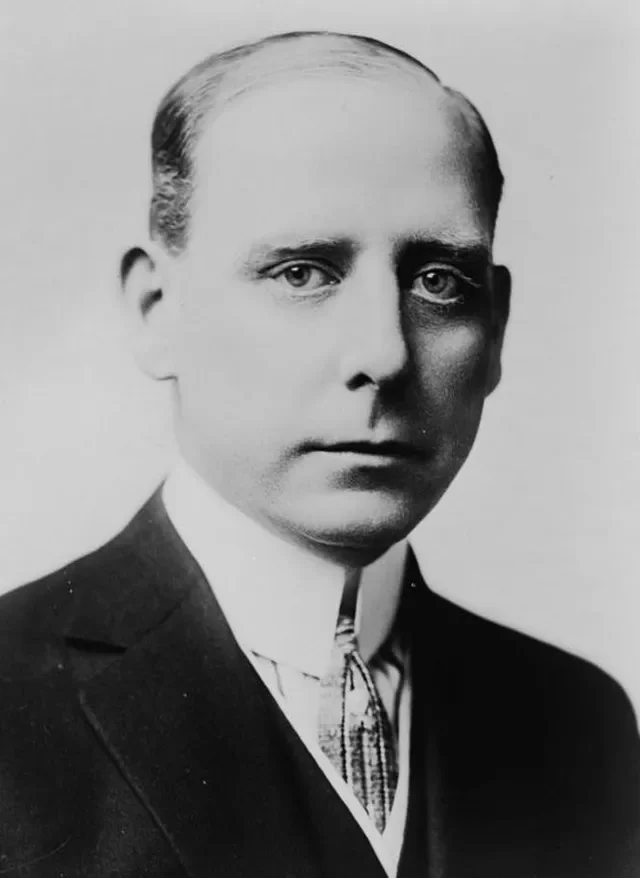
Frank would emerge as the political force in Jersey City during the early 1900s and eventually serve as Mayor for 30 years. Per Wikipedia (https://en.wikipedia.org/wiki/Frank_Hague)
Francis Hague (January 17, 1876 – January 1, 1956), known as Frank Hague, was an American politician of the Democratic Party who served as Mayor of Jersey City, New Jersey, from 1917 to 1947, and vice-chairman of the Democratic National Committee from 1924 until 1952. Hague is remembered for running a corrupt political machine that dominated the politics of Hudson County, New Jersey, and of the entire state of New Jersey. During his 30 years as Mayor, Hague's influence reached the national level. His ability to gain huge majorities in Hudson County for the Democrats helped elect governors and presidents, and his machine dispensed jobs and aid in exchange for votes. Among the projects built under Hague were the Jersey City Medical Center, then the third-largest hospital in the world, and Roosevelt Stadium.
In short, Frank was THE MAN in Jersey City in the early 1900s. He even became a character for the first two seasons of Boardwalk Empire, a show that we have never seen, because “Max” is the one streaming service to which we have never subscribed. And if anyone tells you otherwise in a fanciful tale involving a cousin’s husband’s login information, it’s a lie.
Back to Cagney. Or was it Lacey? Yes, Cagney. Although I am realizing now that “Cagney and Lacey” may be a bit dated as clickbait in the lede.
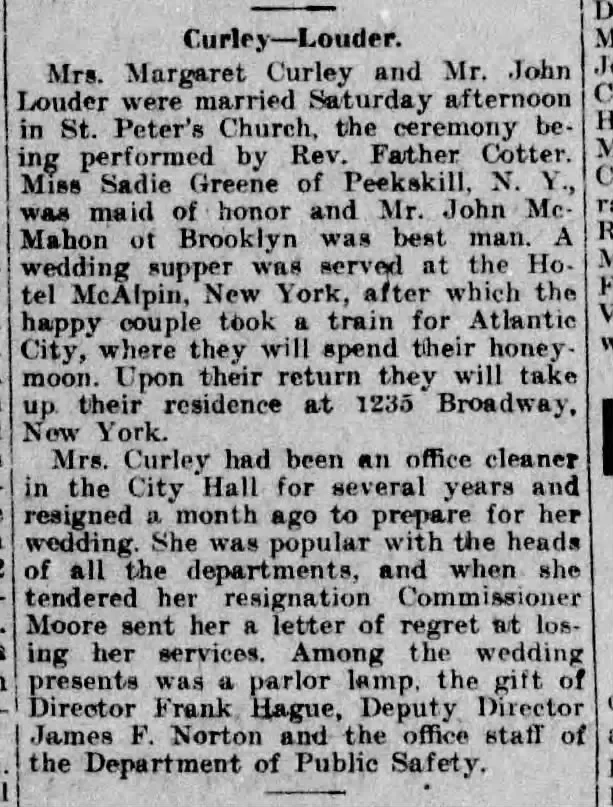
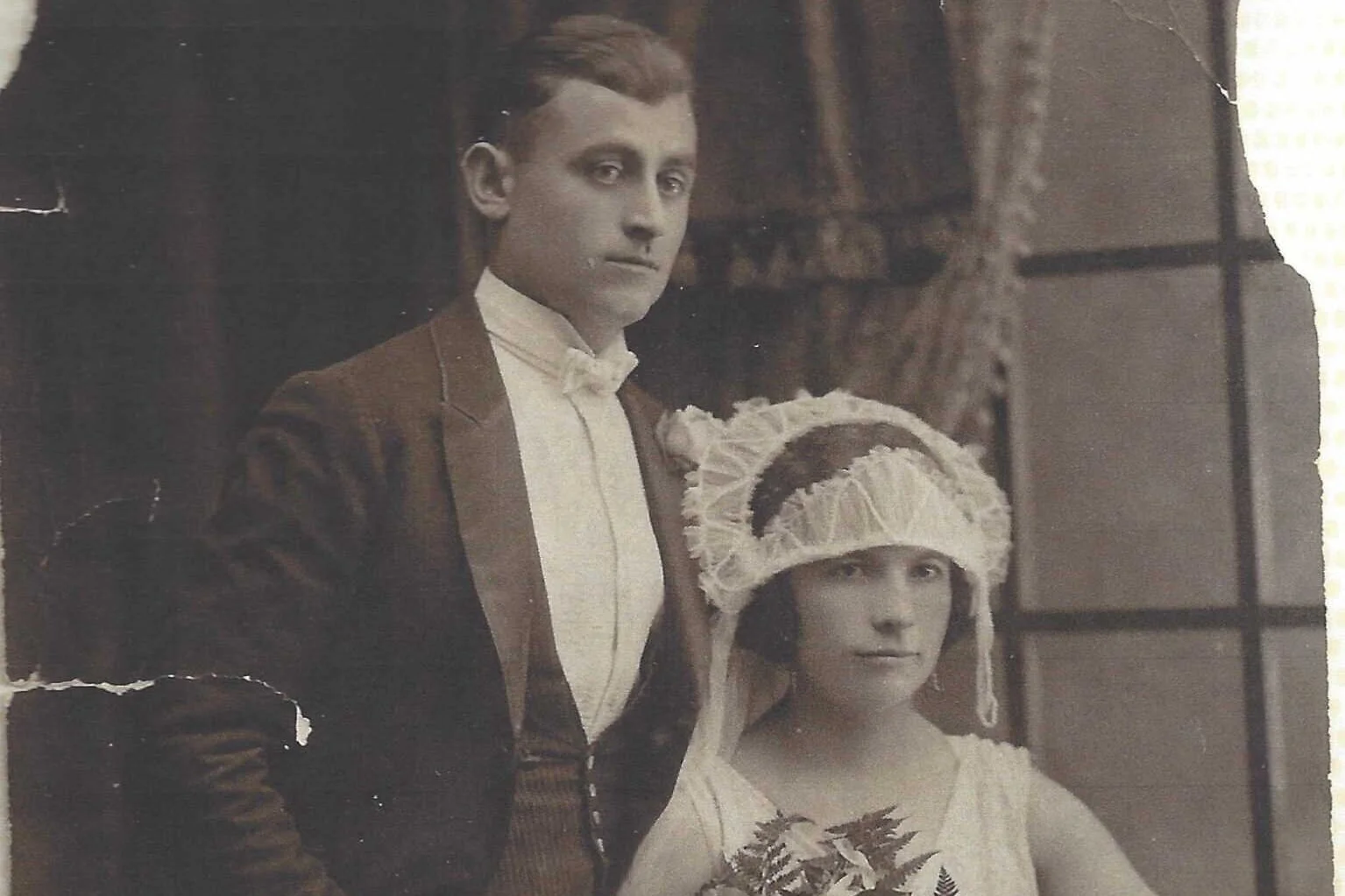
Anyway, in July 1916, Margaret (Cagney) married again to John Carty Louder (some spellings include "Lauter" or "Lauder").
In addition to the wedding gift of that parlor lamp from Frank Hague, more was in store for Margaret courtesy of Mr. Hague. In November 1916, fate was with Margaret when Frank Hague was elected Mayor. In 1917, Margaret was appointed an Inspector in the Jersey City Police Force, a highly unusual position for a woman, especially a married one. It's unclear what impact this career may have had on her marriage. Still, by the time of the 1920 Census, Margaret was living with her sister, Nora, and her husband. The recently married John Carty Louder was nowhere to be seen, and I can find no further mention in the records of the "parlor lamp." By 1930, Margaret was listed as "Divorced," although all references until her death referred to her as Mrs. Margaret Louder.
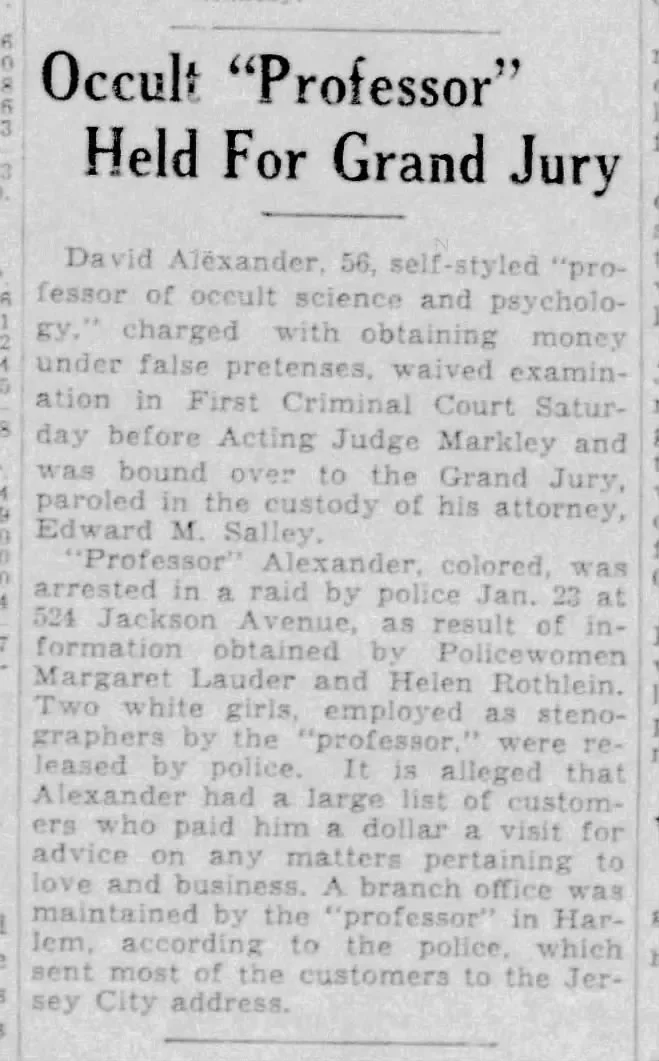
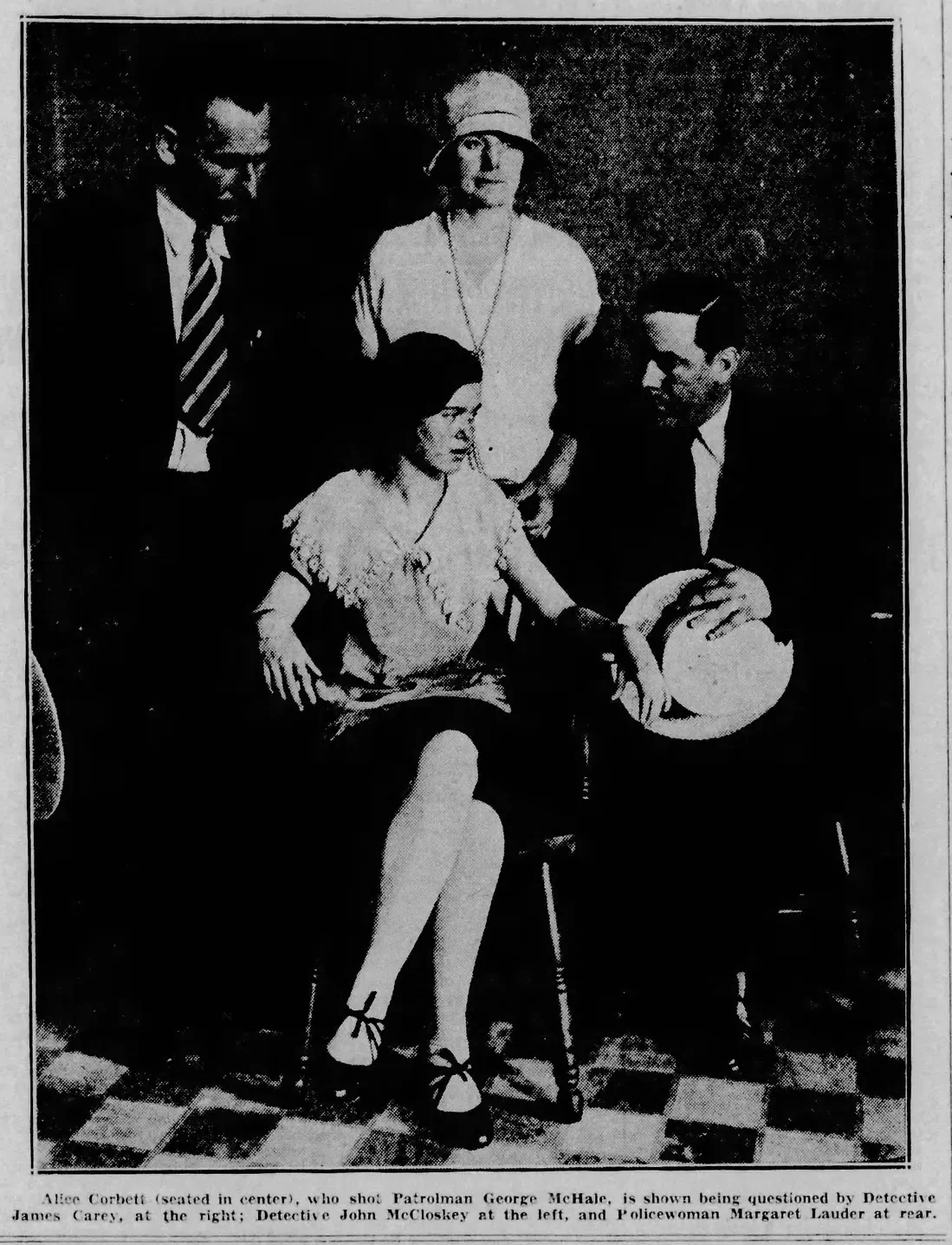
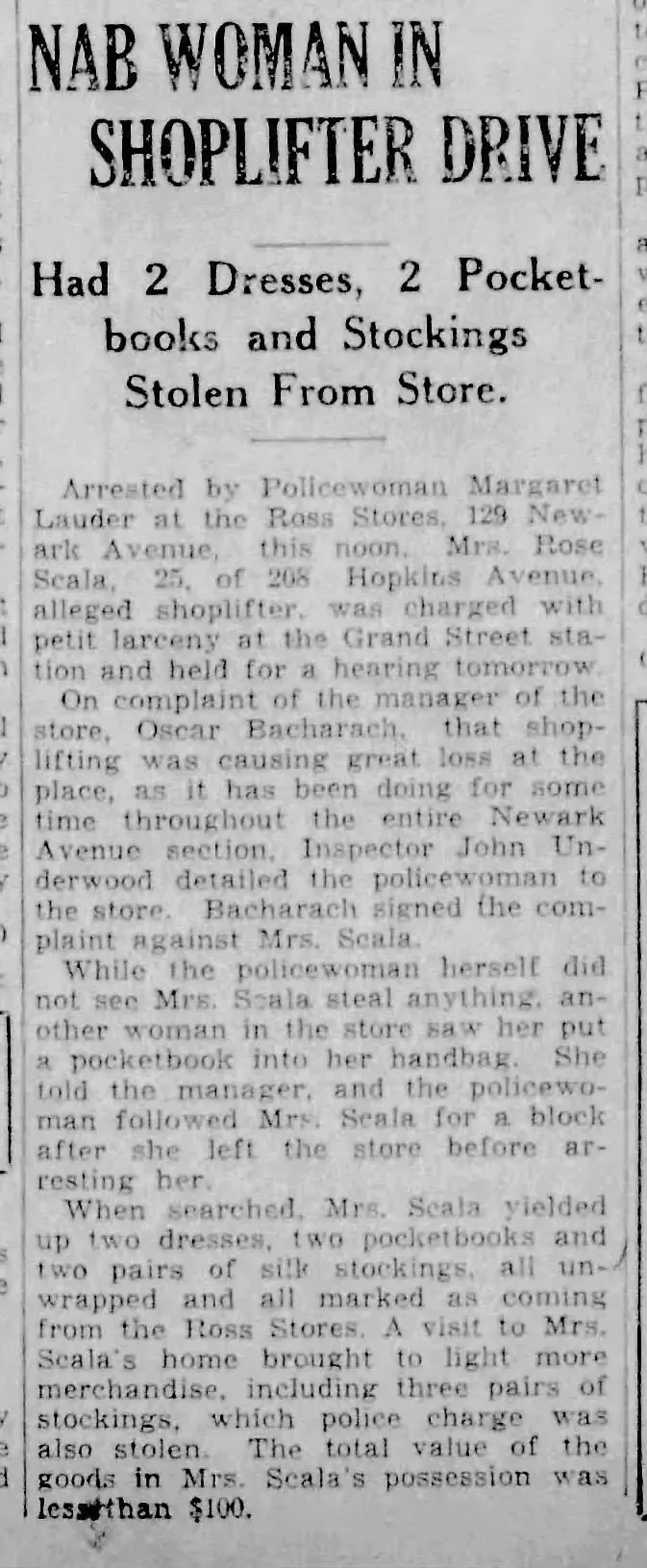
Enter “Lacey” to Margaret’s “Cagney.” Mrs. Helen Rothstein joined the police force in 1923, and over the next 20 years, until Margaret's death, the two were involved in countless cases. A few samples:
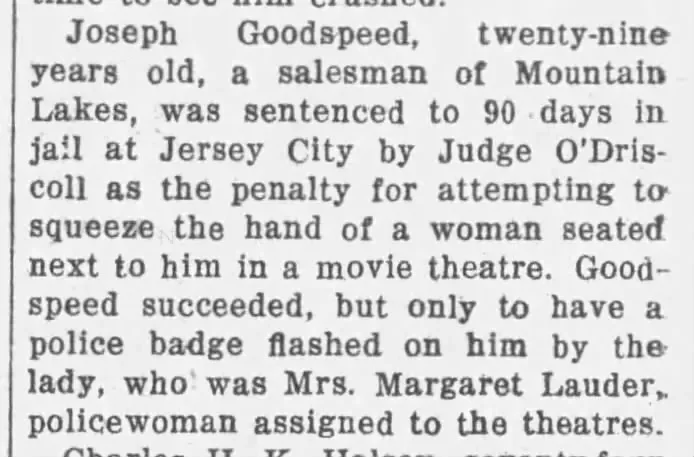
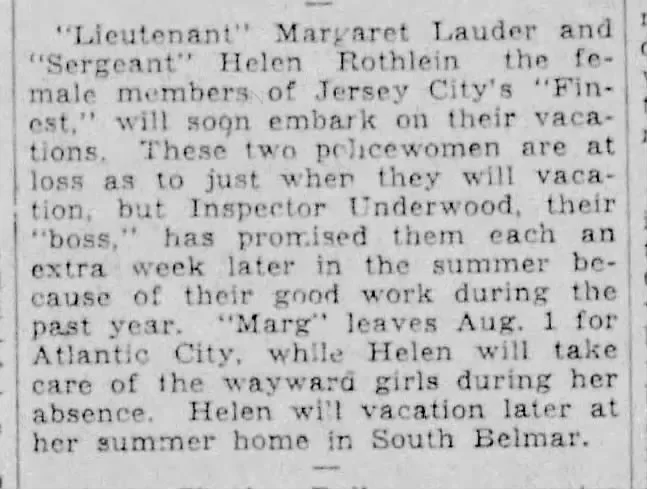
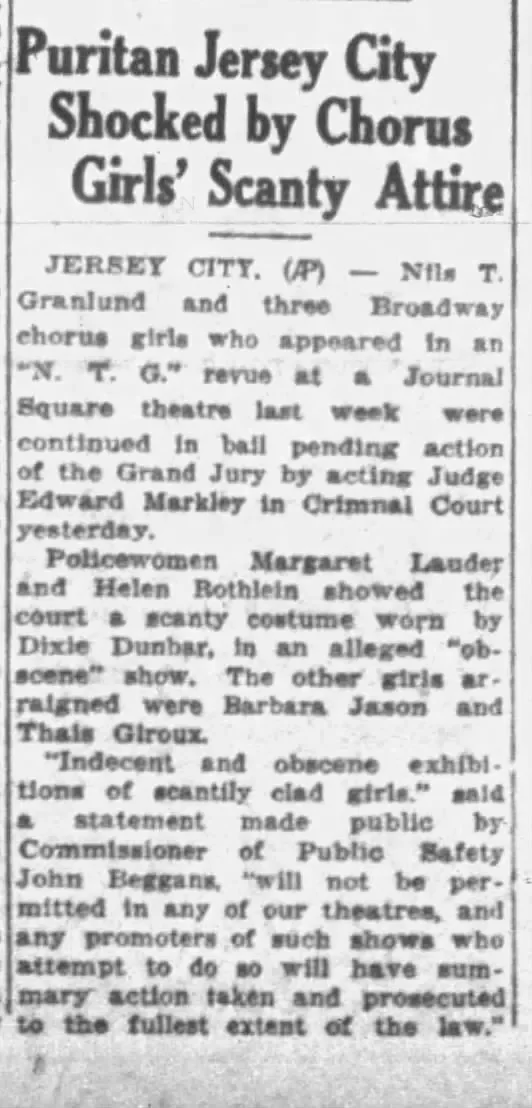
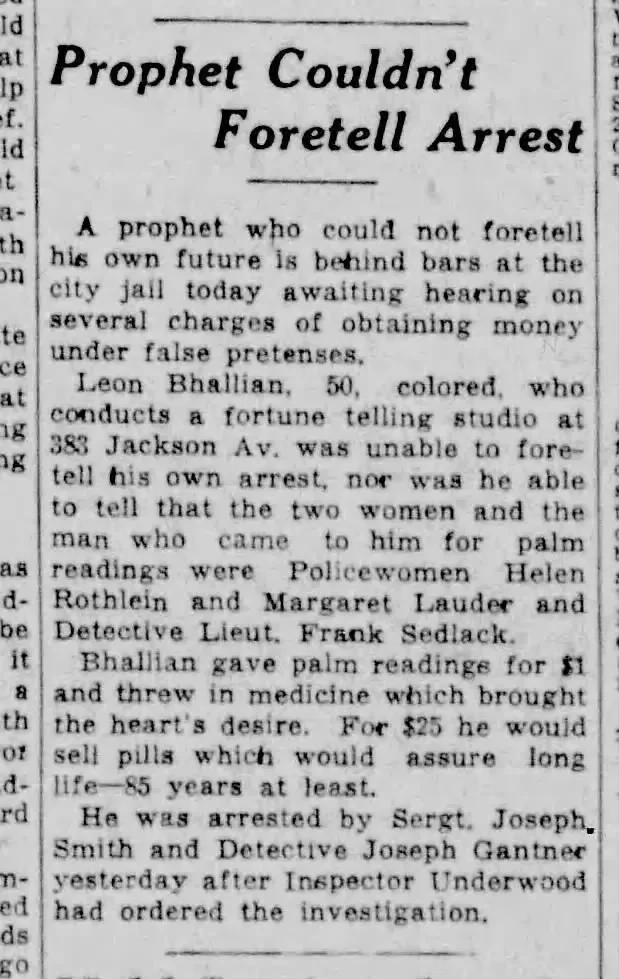
In Margaret's obituary, it notes that "With Mrs. Lauder when she died, in addition to members of her family, was Mrs. Helen Rothlein, also a police woman, who worked the past 19 years with her." The obit also notes that "Devoting most of her time to police work, she had no time for membership in civic or political organizations.”

And don’t forget my books - you can find them on Amazon - IMMIGRANT SECRETS and 70ish: LESSONS LEARNED.